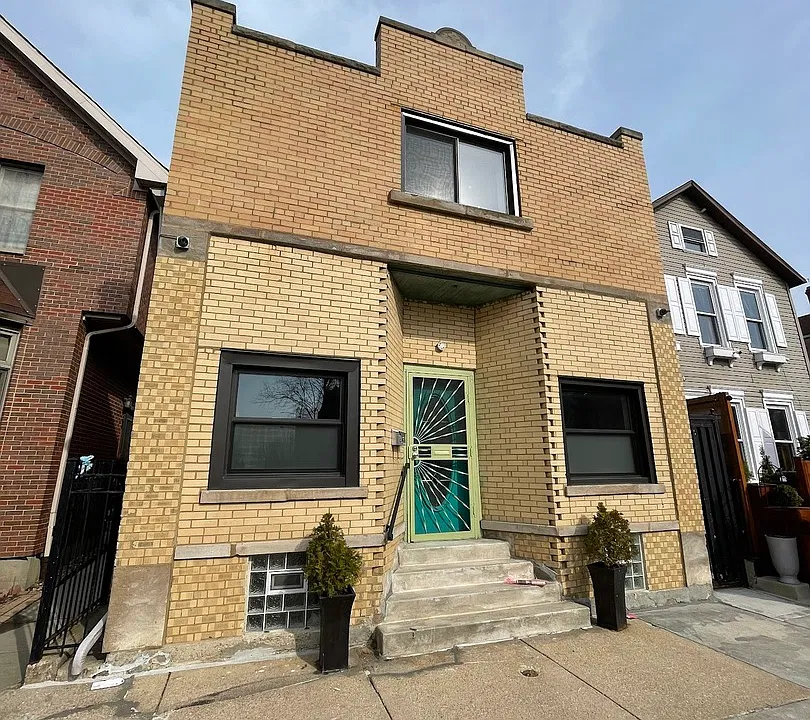
- 1808 S Racine Ave #3, Chicago, IL 60608$1,450/mo2 beds · 1 bath1808 S Racine Ave #3Chicago, IL 60608
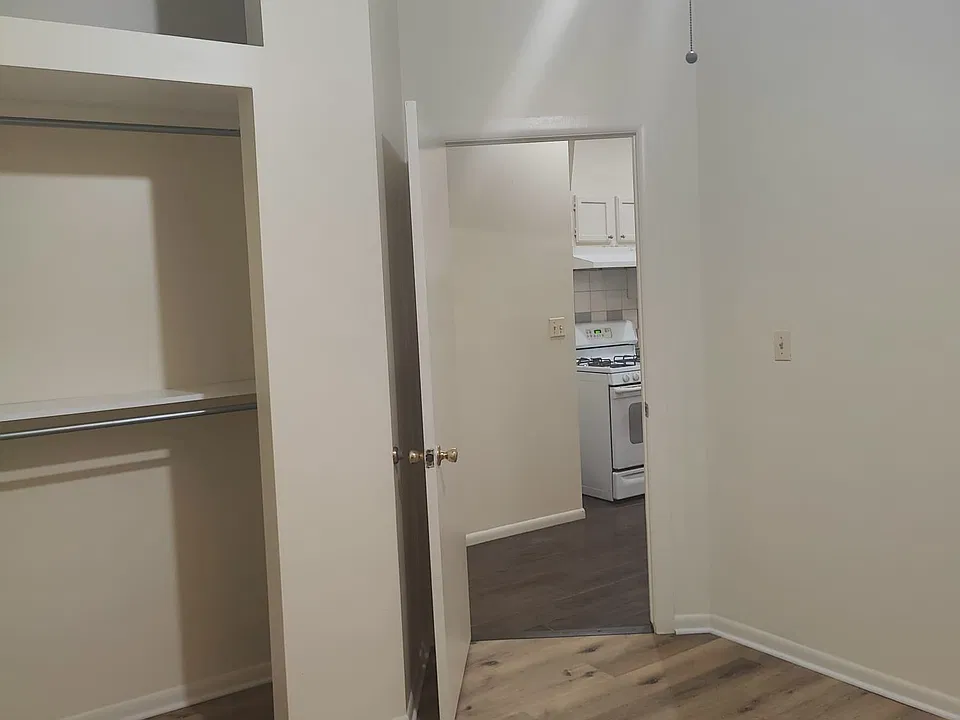
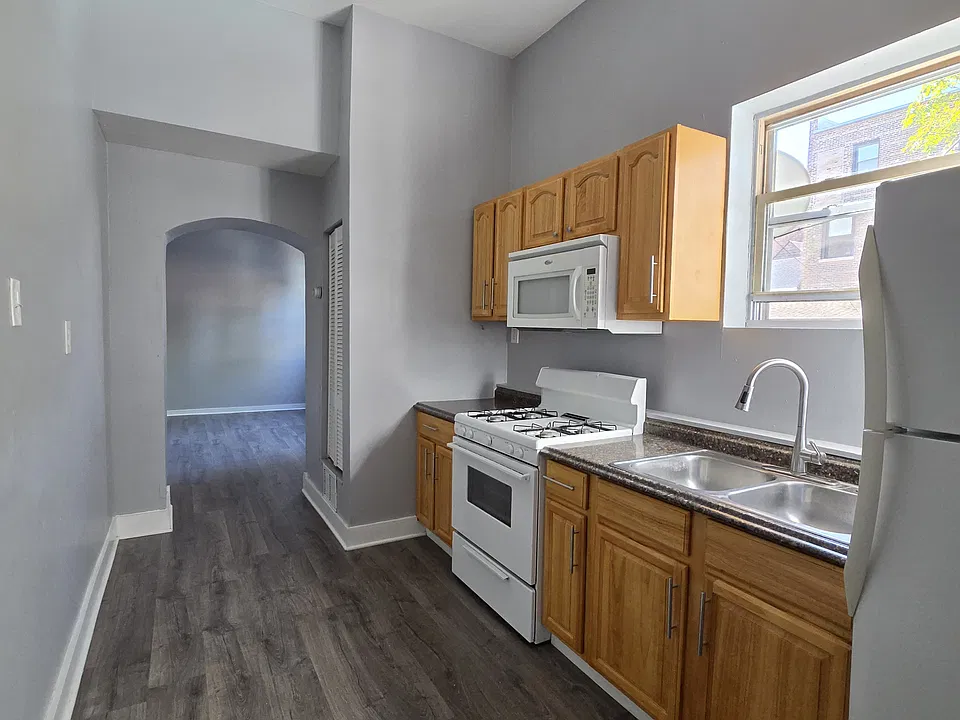
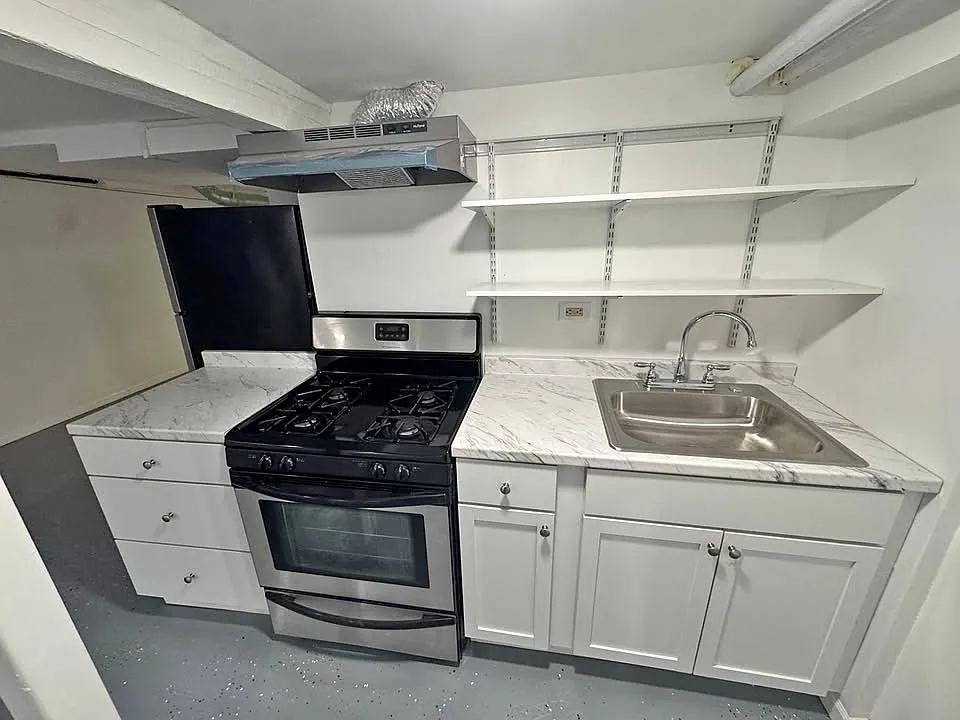
- 1162 W 19th St #1, Chicago, IL 60608$1,400/mo2 beds · 1 bath · 500 sq ft1162 W 19th St #1Chicago, IL 60608
Updated
Updated

Welcome to Pilsen,the most popular neighborhood in the Lower West Side community of Chicago. Named by Czech immigrants in the late 19th century to pay tribute to PlzeÅ, the fourth largest city in what is now known as the Czech Republic, Pilsen is today mostly Hispanic. Mexican culture dominates neighborhood, but as more ethnic groups move in, the area is experiencing a very diverse rebirth, with a varied selection of restaurants, galleries and even late-night venues. In 2006, the Pilsen Historic District, which stretches between Halsted Street and Western Avenue (from 16th Street to Cermak Avenue) was added to the National Historic Register.
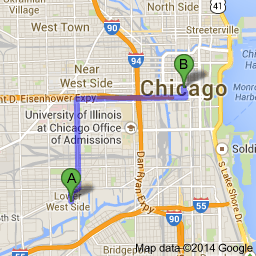
Pilsen is bounded by 16th Street on the north, Cermak Road on the south, Canal Street on the east and Ashland Avenue to the west. It's approximately 4 miles from downtown Chicago. Livability Pilsen is predominantly residential, offering single-family homes, low-rise condominiums and apartment buildings. If you're familiar with Chicago neighborhoods, think of Pilsen as a combination of Humboldt Park and Wicker Park, with quiet areas and a pocket of action (on 18th Street).
There are several parks in Pilsen, including the popular Harrison Park and Dvorak Park, which features a pool. The area surrounding the National Museum of Mexican Art and 18th Street is a favorite of the stroller set and dog owners.

Forty-nine percent of Pilsen residents are single, with the remainder a combination of married, divorced and widowed. Just over 70% of the population is without kids.
Pilsen is close to the Dan Ryan Expressway (via 18th Street), which connects to I-290 and I-90. The neighborhood is within walking distance of both Metra (BNSF Railway Line) and Chicago Transit Authority (Pink Line) train stations. A public transportation commute to the Chicago Loop, which is only 4 miles from Pilsen, takes just over 30 minutes and is easily accessible via the CTA 60-Blue Island/26th bus.
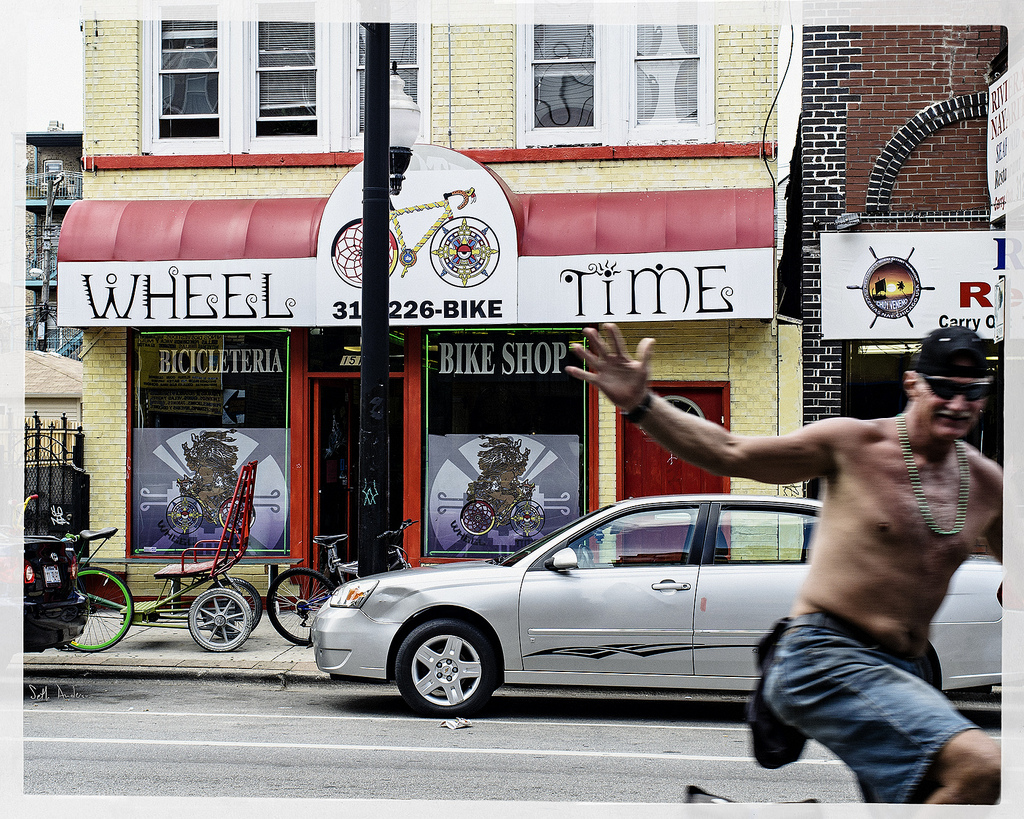
Pilsen is a neighborhood full of street-food vendors, historic murals and colorful ethnic restaurants, but most of the action happens on 18th Street, the neighborhood's business district. There, you'll find discount clothing stores, restaurants, galleries and more. It's not unusual to spot street musicians entertaining passers-by on random corners and adding to Pilsen's appeal. While the majority of the restaurants in the neighborhood serve authentic Mexican cuisine, a developing enclave of eateries specialize in chef-driven, contemporary American fare. Parking is relatively easy in the area.

German and Irish immigrants first settled in Pilsen during the mid 19th century, but it was Czech immigrants who named the area. For the first half of the 20th century, Pilsen was mostly inhabited by Eastern European immigrants, who worked in the nearby factories and stockyards. Mexican immigrants first migrated to the neighborhood in the 1950s. In recent years, Pilsen has become a draw for other ethnic groups, making it a more diverse community. With new construction of condominiums, lofts and townhomes on the northern border at 16th Street, development is on the rise.