- 3943 Resurrection Dr, Anchorage, AK 99504$2,300/mo2 beds · 2 baths · 1,020 sq ft3943 Resurrection DrAnchorage, AK 99504
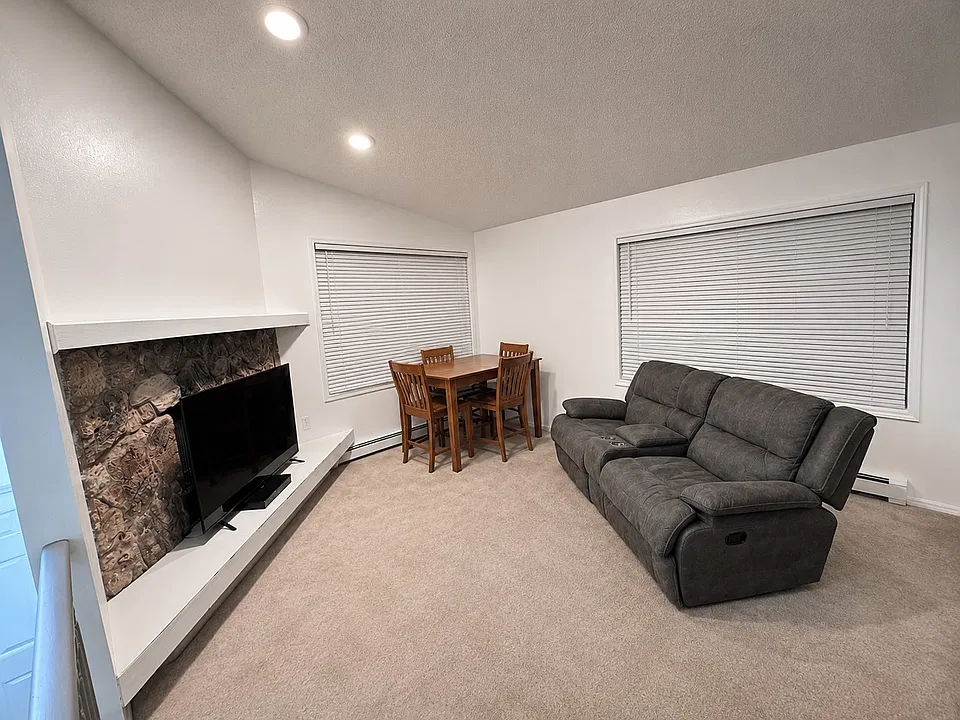
- 703 78th Ave, Anchorage, AK 99518$2,575/mo2 beds · 2 baths · 1,019 sq ft703 78th AveAnchorage, AK 99518
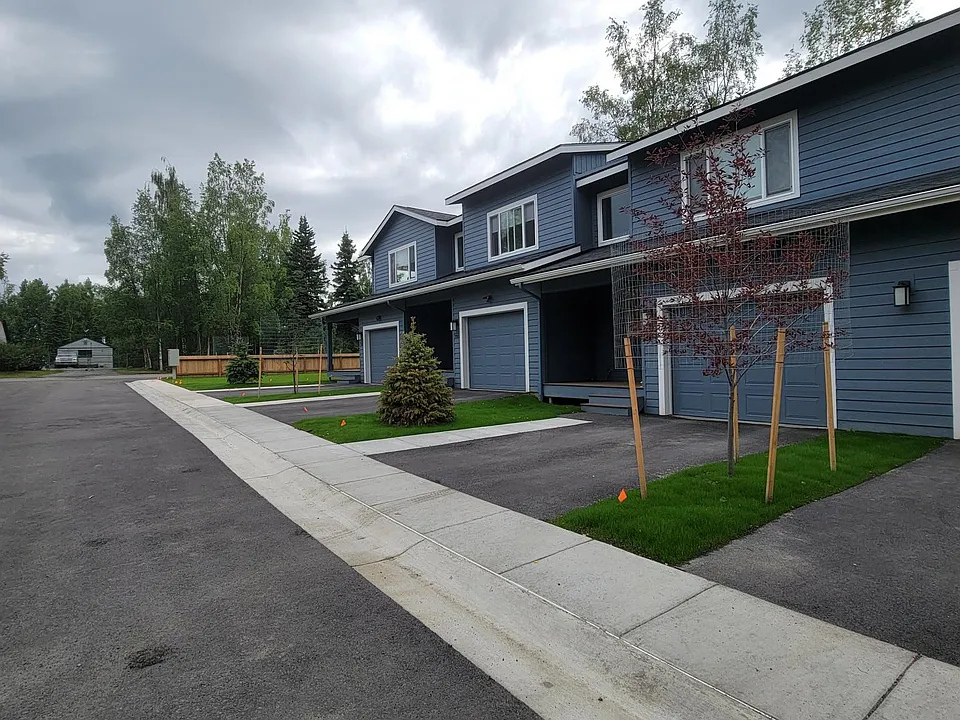
- 1414 W 7th Ave #3, Anchorage, AK 99501$3,250/mo2 beds · 3 baths · 1,627 sq ft1414 W 7th Ave #3Anchorage, AK 99501$250 Off
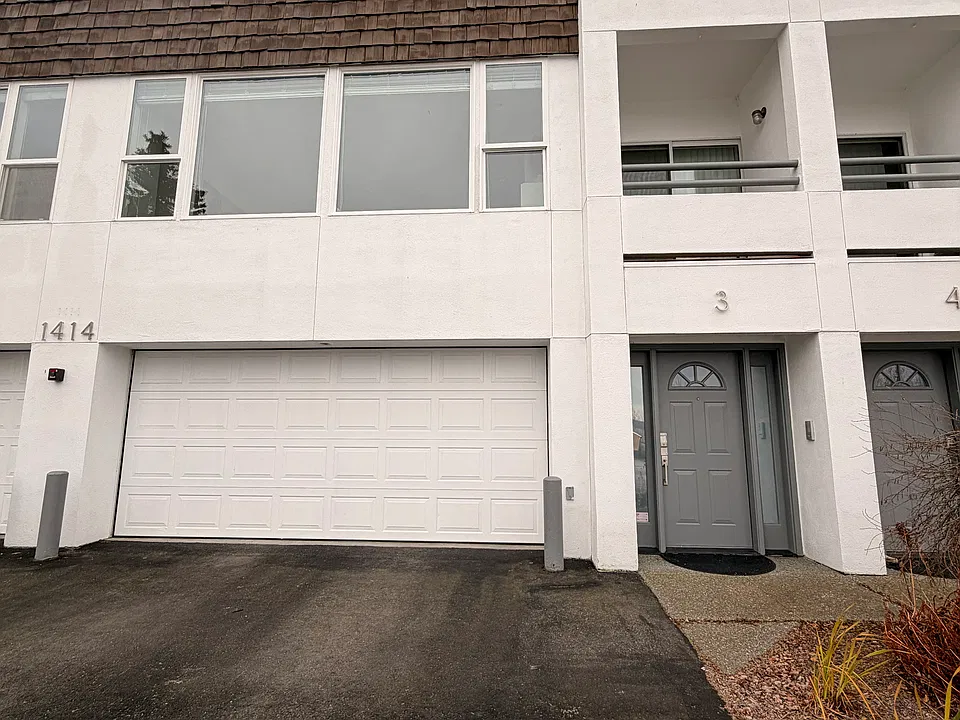
- 2220 N Star St #8, Anchorage, AK 99503$2,200/mo2 beds · 2 baths · 1,323 sq ft2220 N Star St #8Anchorage, AK 99503
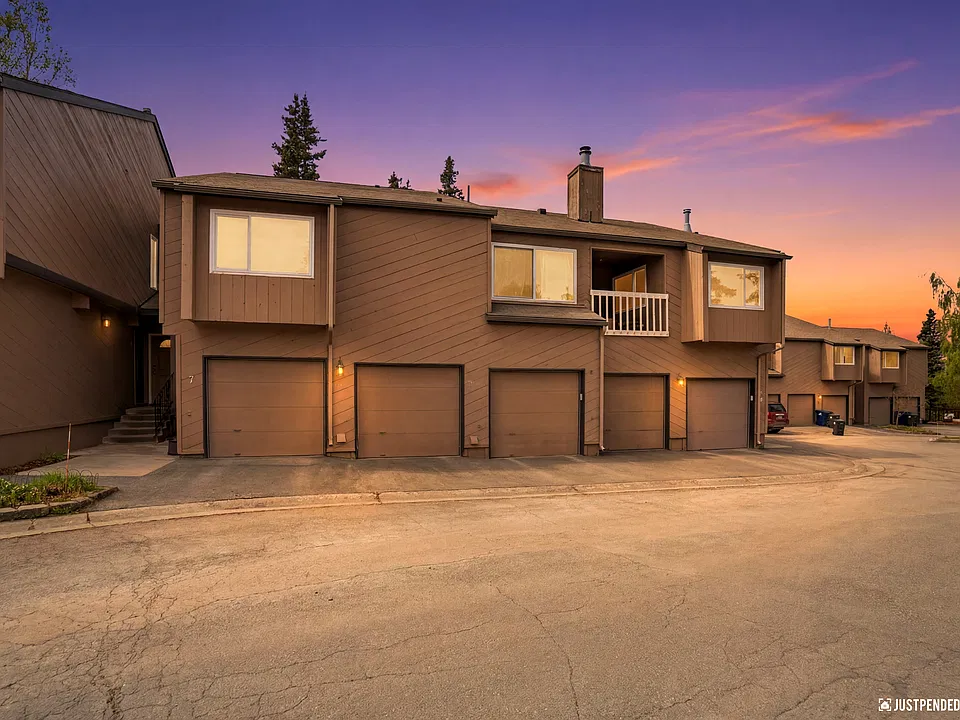
- 7322 Meadow St, Anchorage, AK 99507$2,500/mo2 beds · 2 baths · 1,028 sq ft7322 Meadow StAnchorage, AK 99507
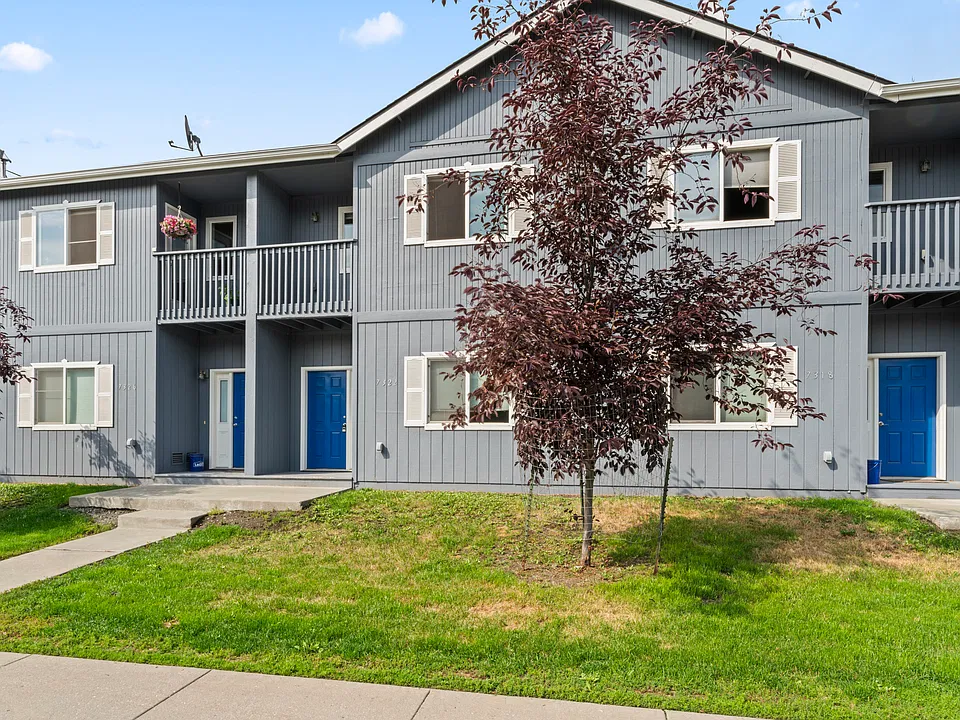
- 5788 Sapphire Loop, Anchorage, AK 99504$2,100/mo2 beds · 2 baths · 1,477 sq ft5788 Sapphire LoopAnchorage, AK 99504
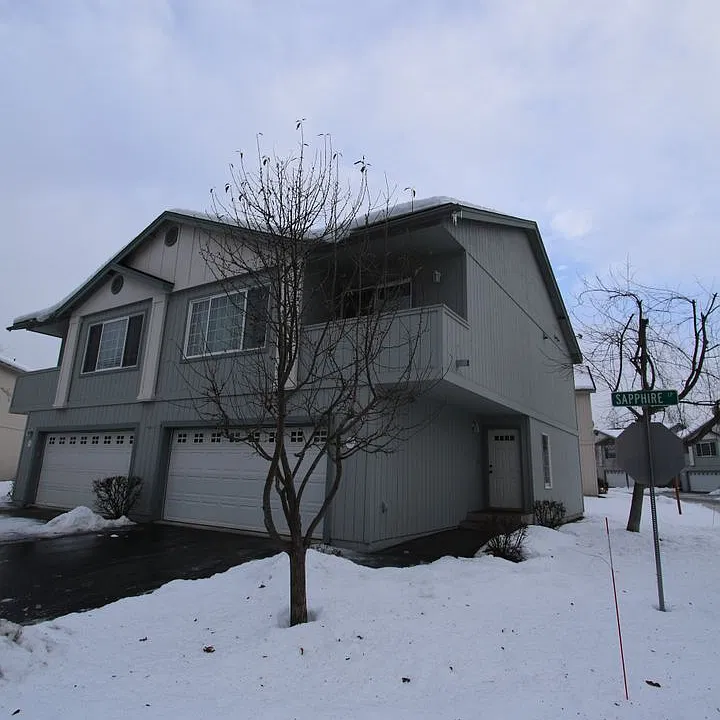
- 8542 Sara Lynn Pl #25, Anchorage, AK 99502$2,750/mo2 beds · 2 baths · 1,095 sq ft8542 Sara Lynn Pl #25Anchorage, AK 99502
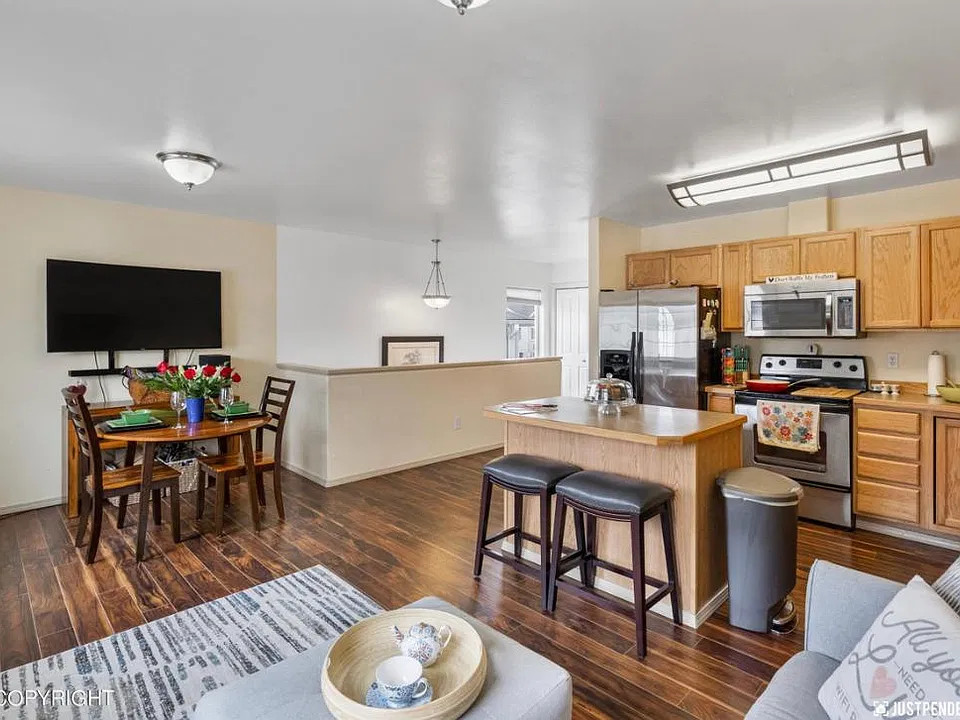
- 6733 Snow Goose Cir #1, Anchorage, AK 99515$2,750/mo2 beds · 2 baths · 1,158 sq ft6733 Snow Goose Cir #1Anchorage, AK 99515

- 6733 Snow Goose Cir, Anchorage, AK 99502$2,750/mo2 beds · 2 baths · 1,158 sq ft6733 Snow Goose CirAnchorage, AK 99502
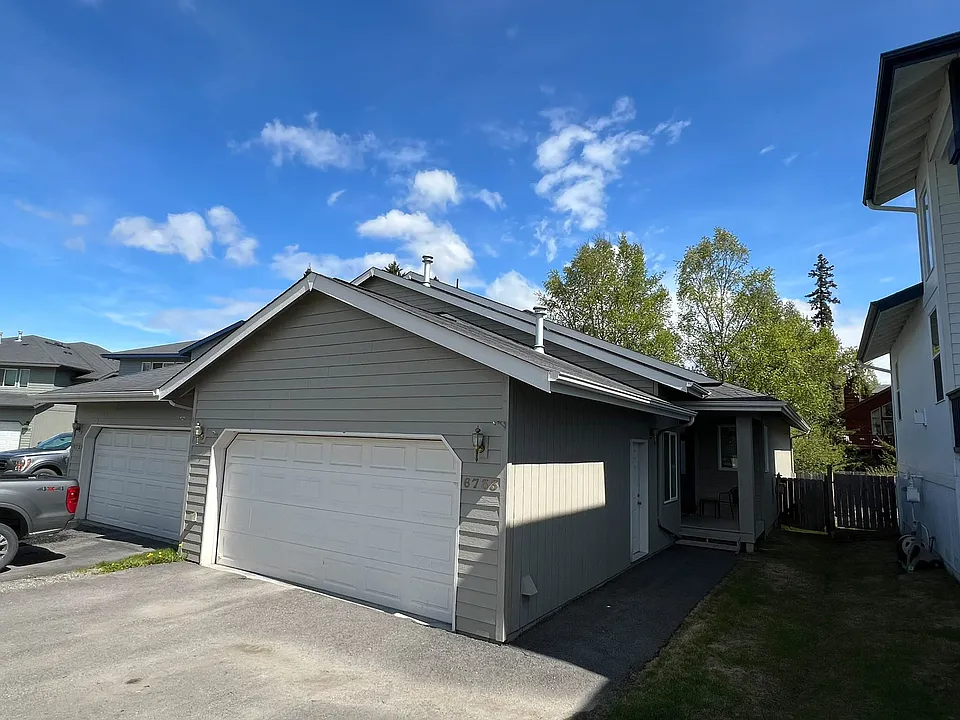
- 6934 Meadow St #404-1, Anchorage, AK 99507$2,650/mo2 beds · 2 baths · 1,000 sq ft6934 Meadow St #404-1Anchorage, AK 99507
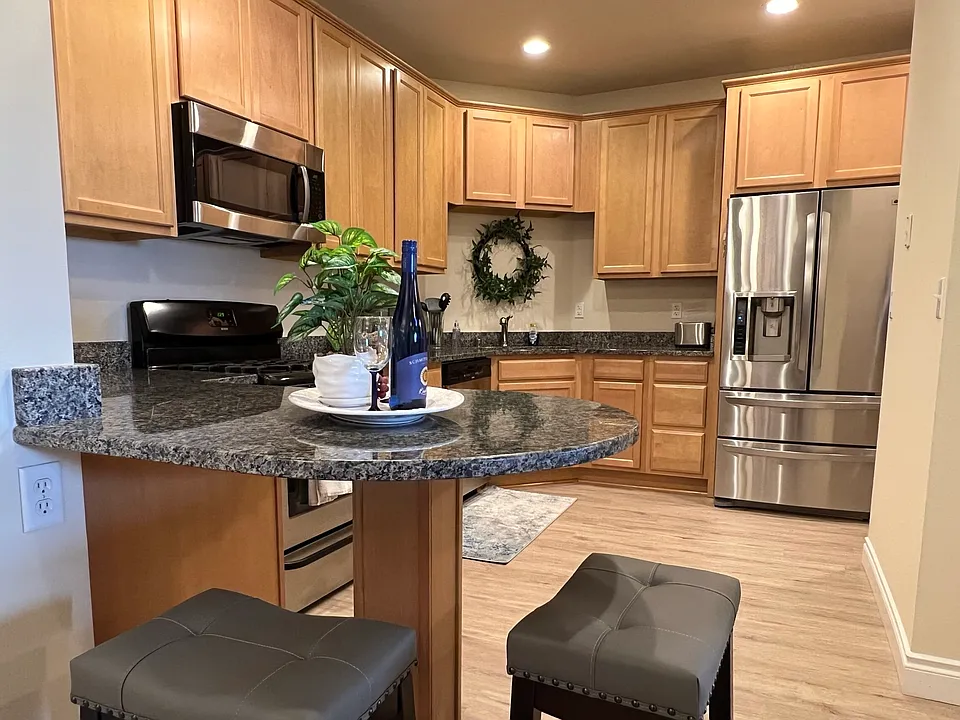
- 380 E 11th Ave #124, Anchorage, AK 99501$2,400/mo2 beds · 2 baths · 930 sq ft380 E 11th Ave #124Anchorage, AK 99501
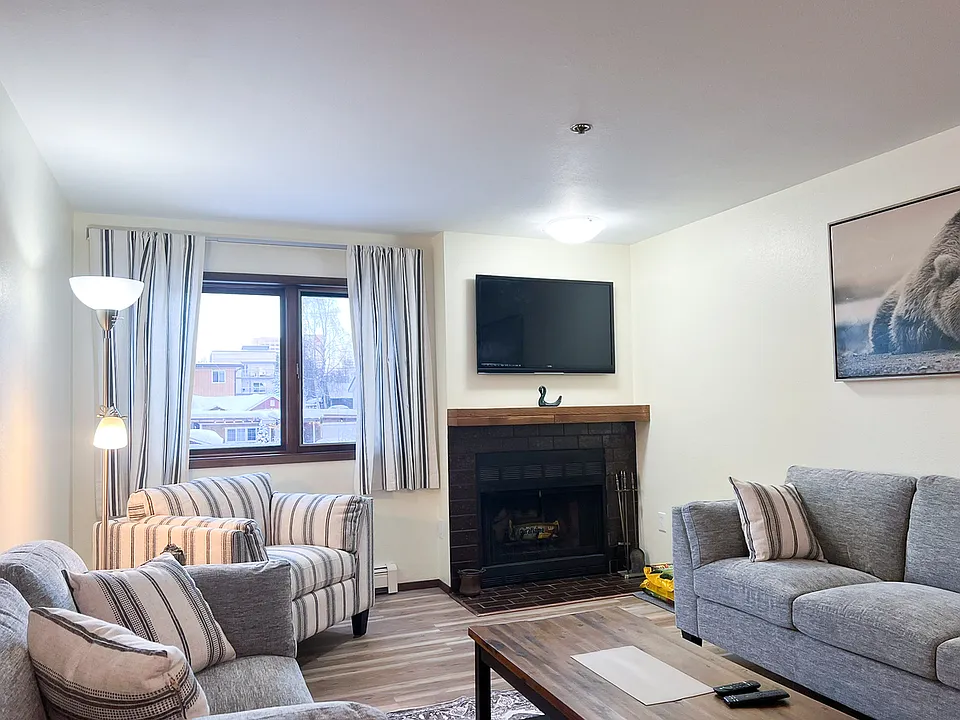
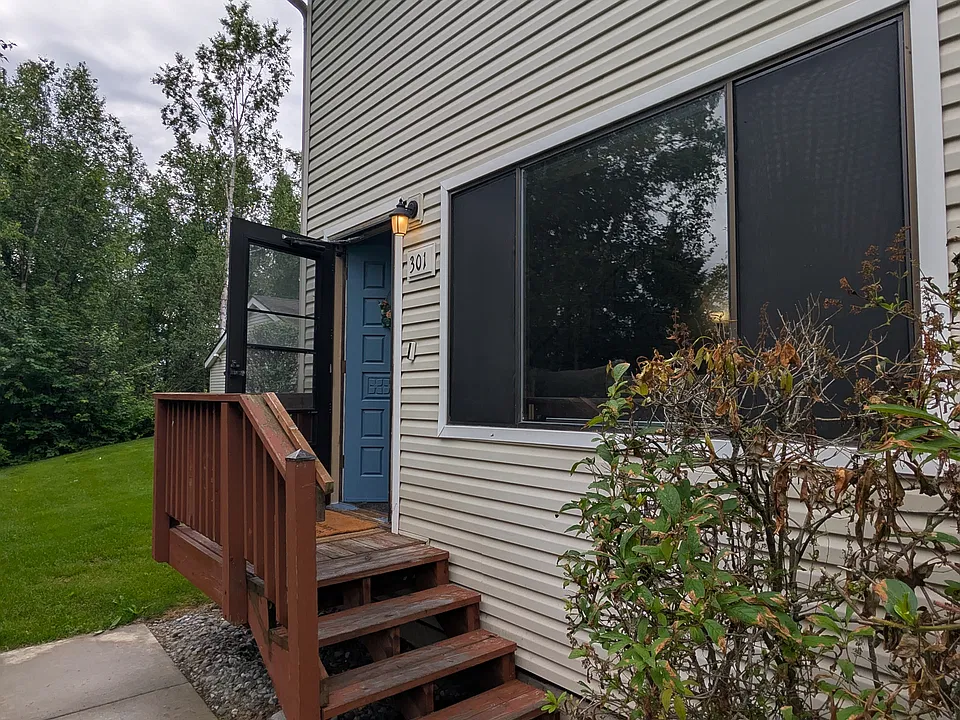
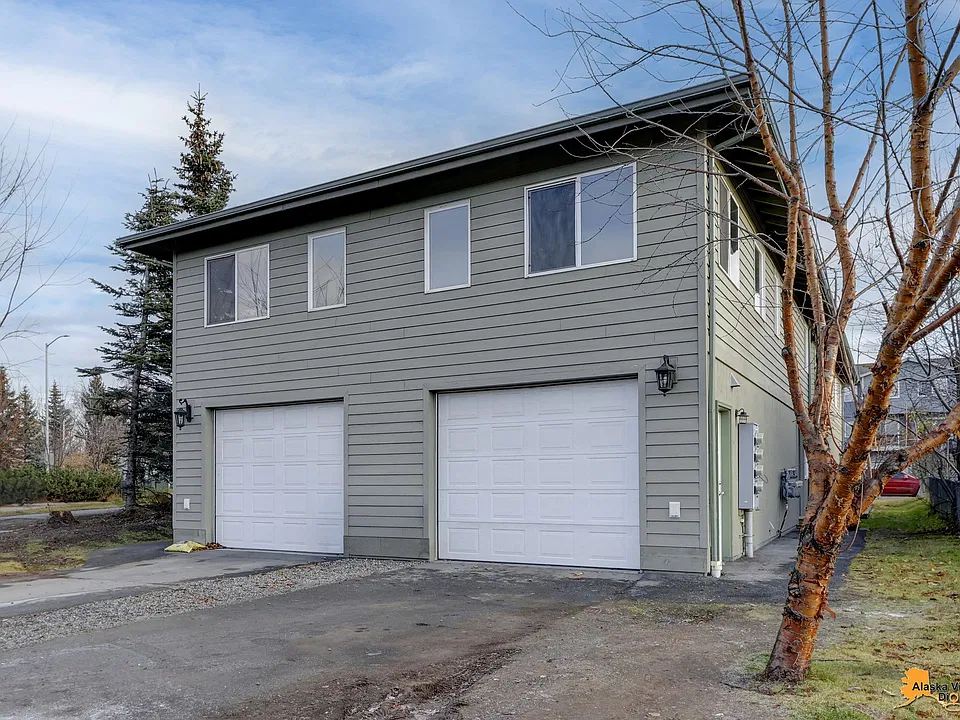
Updated
Anchorage Snapshot
About Anchorage
Thinking of moving to Anchorage? Here’s what you need to know.
The largest city in Alaska is quietly growing into a badly kept secret. Anchorage offers residents and visitors a tremendous mix of large-town amenities while still staying true to its roots as the last frontier town in the United States. Visitors find a city rich in history, upscale-without-stuffy arts and cuisine, and a daily traffic jam that may or may not involve a moose. For a wilderness escape without leaving the comfort of civilization, look no further than Anchorage.
Who’s There?
The city’s population of 300,000 is a cultural mix of Native Alaskan, Asian, Northern European and U.S. transplants from the lower 48 states. The industry of Alaska has historically centered on hunting and fishing, mineral mining, and oil exploration and production. Settlers tied to those industries arrived in Alaska to join the native Alaskan tribes. Descendants of tribes such as the Aleut, Kodiak, Chugach, Tlingit, Haida and Dena’ina still remain in Anchorage and throughout Alaska. The geographical location of Anchorage allows easy transport by airplane to many large points across multiple continents. As a result, the military and shipping industry have a large presence in Anchorage.
What’s Around?
Mountains. A lot of mountains. The nearby Chugach mountain range has more than 150 peaks to explore. By measure of land acreage, Alaska holds more than 50 percent of the total national park territory in the U.S. Five nearby national parks are home to a wide variety of native wildlife. Grizzly bears, moose, salmon, elk and bald eagles can all be found near Anchorage. Portage Glacier, one of more than 50 glaciers nearby, offers visitors and residents a once-in-a-lifetime opportunity to experience the slippery side of Anchorage.
What Do You Do?
Anchorage is home to a thriving, and surprisingly large, music scene. Acoustic instruments of all types take center state every January during the free two-week long Anchorage Folk Festival. Every Saturday and Sunday, locals and visitors join 300 local vendors for the Anchorage Market & Festival to pick up anything from jewelry and furniture to elk hotdogs. Outdoor activity reigns supreme in Anchorage. The geographical location provides some of the most challenging outdoor activities in the nation. For newcomers, there is no better way to explore Anchorage than on the Coastal Trail. Linking several paths and trails, the trail stretches 11 miles from downtown Anchorage to Kincaid Park. After a day of wildlife watching, grab a fishing pole and head to the downtown fishing stream for an opportunity to catch your own dinner. The Aurora Borealis, or the Northern Lights, is another local phenomenon not to be missed. Evenings during the fall and winter, along with midnight hours during the spring, are the best times to see the swirling colors caused by the electric sun particles entering our atmosphere.